Tick Protection for Horses: Recognizing the Risks and Taking the Right Action
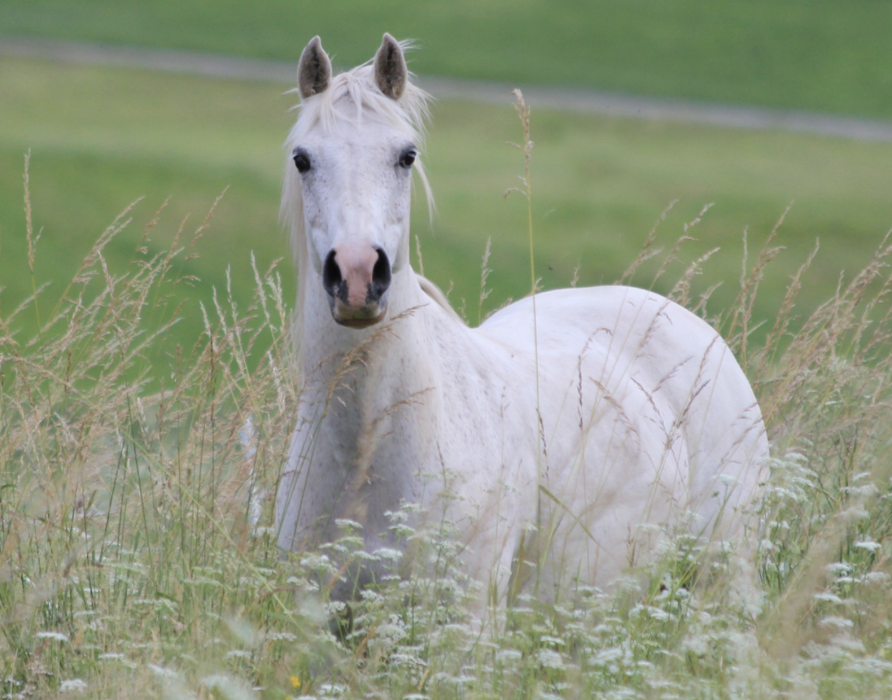
Whether in the pasture or on a long ride—in the summer, your horse spends a lot of time outdoors and is therefore exposed to ticks. These tiny bloodsuckers can transmit dangerous diseases. The good news:There are steps you can take. In this guide, you’ll learnwhy ticks are dangerous to horses, how to remove a tick properly, and what options are available for tick protection for horses.
What are ticks—and when are they active?
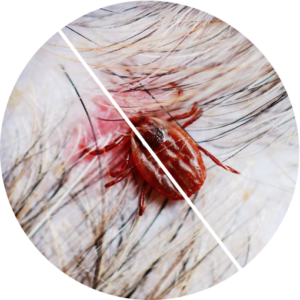
Ticks belong to the arachnid family and feed on blood. They become active at temperatures of around 7 °C; their peak season runs fromMarch/April through October—and, with mild winters, they are increasingly active year-round. They lurk in tall grass, along pasture edges, in hedges, and in the underbrush. On horses, they seek out thin-skinned, sheltered areas: the head and ears, the throat, the armpits, the groin, the inner sides of the legs, and the base of the tail.
Why are ticks so dangerous to horses?
When feeding on blood, a tick can transmit pathogens. Important: Transmission usually takes several hours—the sooner the tick is removed, the lower the risk. The most well-known tick-borne diseases are:
- Lyme disease– Borrelia bacteria; fever, stiffness and lameness, muscle pain, fatigue.
- Anaplasmosis– equine granulocytic anaplasmosis; fever, lethargy, swollen legs, reluctance to move.
- Piroplasmosis (babesiosis)– a blood parasite that attacks red blood cells; primarily found in southern regions; can be severe.
Found a tick on your horse? Here's how to remove it properly
Check your horse after every time it's been out to pasture or on a ride, especially in areas where the skin is thin. If you find a tick:
- Usetick tweezers, a tick hook, or a tick card, placing themas close to the skinas possible.
- Pull it out slowly and straight, without squeezing or twisting it.
- Do not use household remedies such asoil, glue, or nail polishto remove it.
- Afterward, disinfect the area and monitor it.
Even More for Your Horse
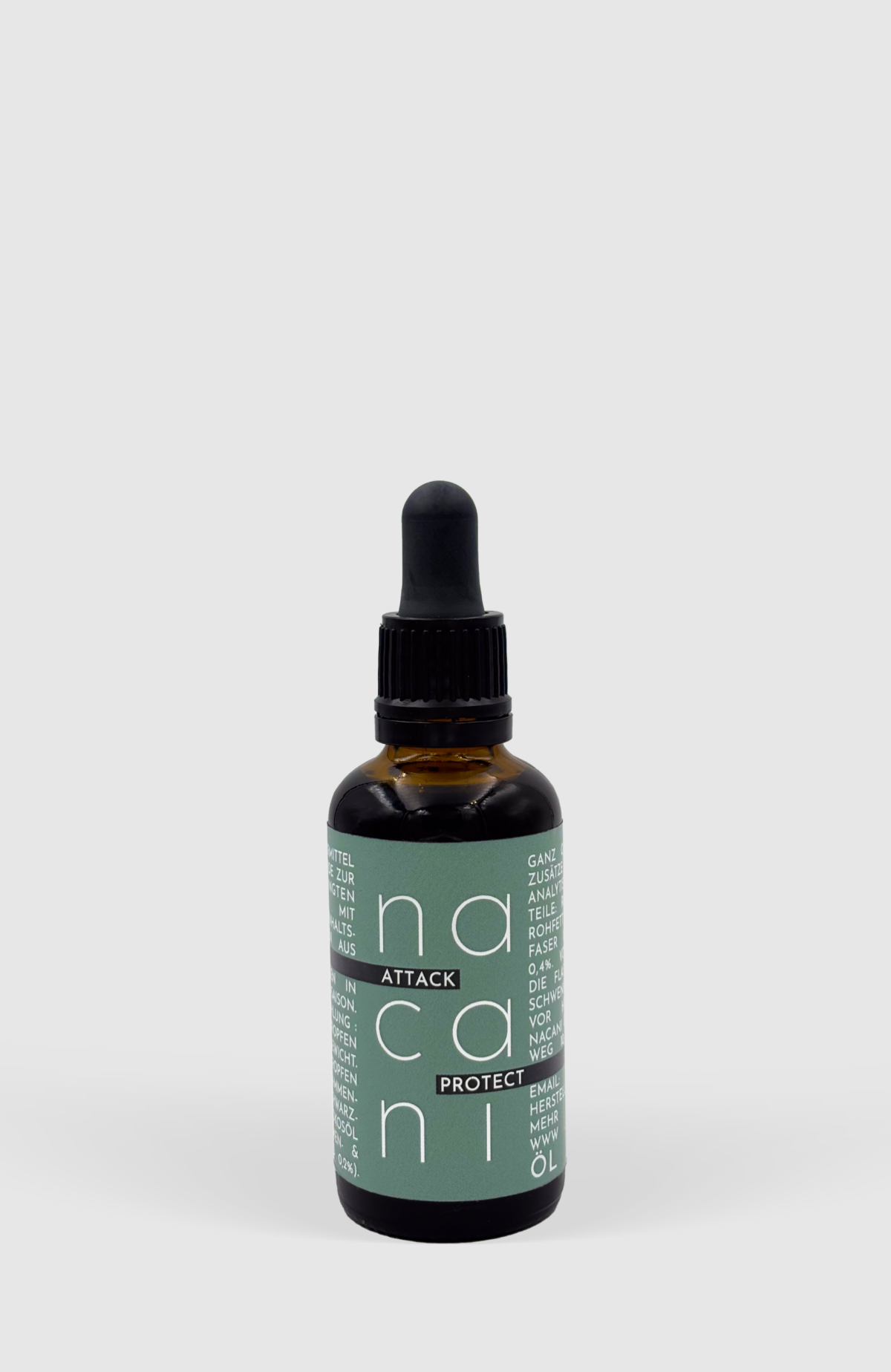
More products in theCBD for HorsesandEverything for Horses sections. Looking for tick protection for your dog? You'll find it in theAttack Protect for Dogs section.
Frequently Asked Questions About Ticks in Horses
When does tick season start?
Active at temperatures of about 7 °C and above; peak season is from March/April through October, and in mild winters, it may be active year-round in some areas.
How do I properly remove a tick from a horse?
Gently pull it straight out using tweezers or a hook, taking care not to squeeze or twist it, then disinfect it. Do not use oil to remove it.